Quick Summary
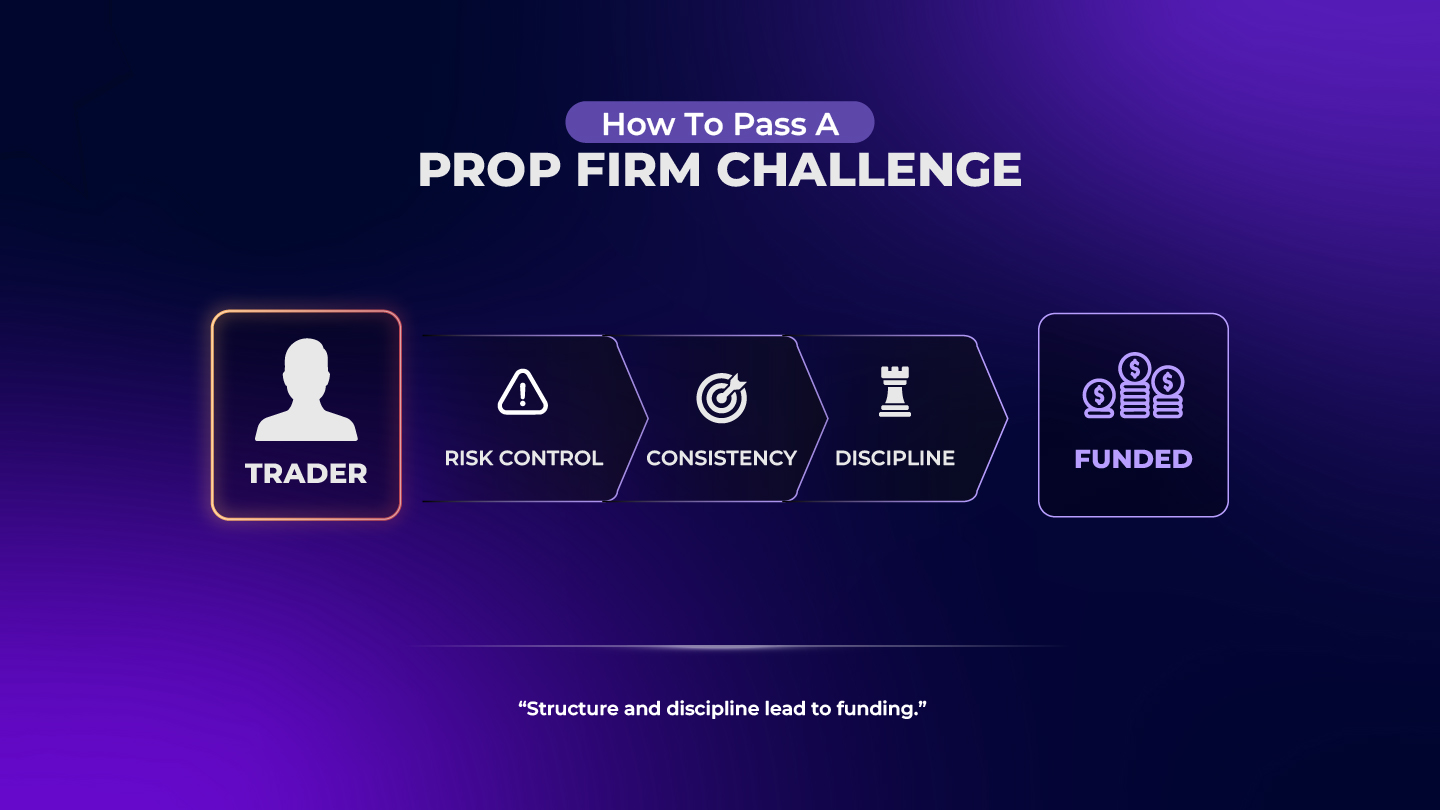
Learning how to pass a prop firm challenge is not about trading aggressively or chasing profits. To pass a prop firm challenge, you need a structured approach built on risk management, consistency, and discipline. Many traders fail because they ignore risk, overtrade, or abandon their trading plan under pressure.
Successful prop traders focus on small, repeatable gains, controlled position size, and applying strict risk per trade rules. Instead of reacting to short-term outcomes, they follow a clear trading strategy that adapts to changing market conditions.
This comprehensive guide provides a step-by-step framework, practical risk management strategies, and a proven systematic approach to trading designed to increase your chances of successfully passing a prop firm challenge. By staying disciplined and trading within the rules, you can get funded, maintain a funded account, and build long-term success as a funded trader.
Introduction
Most traders approach a prop firm challenge with the wrong mindset. Instead of focusing on discipline, they rush into a trading challenge, trying to complete the challenge as quickly as possible.
They focus on:
- hitting the profit target quickly
- taking more trades throughout the trading day
- increasing position size without proper risk management
- “getting funded fast” instead of building consistency
But this approach is exactly why many traders and even experienced prop traders fail during a prop firm evaluation.
Passing a prop firm challenge is not about speed — it’s about control. The real path to passing is built on discipline, patience, and executing a structured trading plan under real market conditions.
If you truly want to understand how to pass a prop firm challenge, you need to shift your focus away from short-term profit and toward:
- Risk management and strict risk per trade
- consistency across every trading day
- high-quality execution based on your trading strategy
- emotional discipline and avoiding overtrading
This comprehensive guide will walk you through a practical, step-by-step game plan designed to increase your chances of successfully passing a prop firm challenge—without taking unnecessary risk.
Step 1: Start With a Risk-First Mindset
Before placing your first trade in a prop firm challenge, you need to redefine your goal as a trader.
👉 Your goal is not to make money.
👉 Your goal is to protect your capital and control your risk.
Successful prop traders understand that the key to long-term success is not chasing profits, but applying disciplined risk management in every situation. This is what separates traders from those who fail.
They think in terms of:
- capital preservation
- controlled exposure based on risk per trade
- consistency across changing market conditions
- building a sustainable, funded account over time
This systematic approach to trading ensures that you stay focused on execution rather than outcomes.
Practical Rule:
Apply strict risk management rules and risk management protocols from the very beginning.
Your risk per trade should be small enough that:
- One loss does not affect your mindset
- A losing trading day does not trigger emotional decisions
- You avoid breaching daily loss limits or increasing your drawdown unnecessarily
By focusing on risk management strategies first, you dramatically increase your odds of successfully passing a prop firm challenge and staying consistent throughout the prop firm evaluation.
Step 2: Use a Fixed Risk Per Trade
One of the biggest differences between successful traders and those who fail a prop firm challenge is consistency in position size and risk per trade. This is a core principle in both prop trading and professional day trading environments.
Many traders who want to pass prop firm challenges focus too much on profits and ignore the importance of structured risk. However, maintaining a fixed risk per trade is one of the most effective risk management strategies you can apply.
Recommended Framework:
- Risk 0.25%–0.75% per trade
- Never increase size based on confidence or recent wins
- Keep your position size consistent across every trade
- Adjust only when necessary to reduce position sizes after losses
This approach applies across all markets — whether you trade forex, crypto, or even bitcoin — and across any timeframe, including intraday or swing trading.
Step 3: Focus on One Strategy Only
Trying multiple strategies during a prop firm challenge is one of the biggest mistakes a lot of traders make. Instead of improving their edge, they create confusion and inconsistency—two major reasons why traders fail when passing a challenge.
You don’t need:
- 5 different setup ideas
- multiple markets like forex, crypto, or switching between instruments
- complex indicators or unnecessary tools
What you need is:
👉 One clear, repeatable setup
This is the foundation of the best trading approach for any funded trader aiming for consistency.
Step 4: Limit Your Daily Trades
Overtrading is one of the fastest ways to fail a prop firm challenge. Many traders believe that taking more trades will help them reach their goals faster, but in reality, it significantly reduces their chances of passing.
A disciplined, funded trader understands that quality always beats quantity.
Recommended Rule:
- Maximum 1–3 trades per trading day
- Focus only on high-probability setup opportunities
- Avoid unnecessary entries outside your defined trading plan
This applies whether you are day trading, trading intraday, or even looking to scalp short-term moves during specific trading hours.
Why It Works:
- Forces selectivity and patience
- Reduces emotional fatigue and impulsive decisions
- Helps you focus on trading execution rather than chasing opportunities
- Keeps you aligned with risk management rules and avoids breaching daily loss thresholds
More trades = more exposure to mistakes, especially when trading under pressure during a prop firm evaluation.
Key Insight:
Professional prop traders often pass prop firm challenges with fewer trades, not more.
They wait for the right conditions, take advantage of clean setups, and avoid unnecessary exposure during low-quality market conditions. This disciplined approach helps them avoid disqualification and stay consistent throughout the challenge.
Step 5: Build a Simple Daily Execution Plan
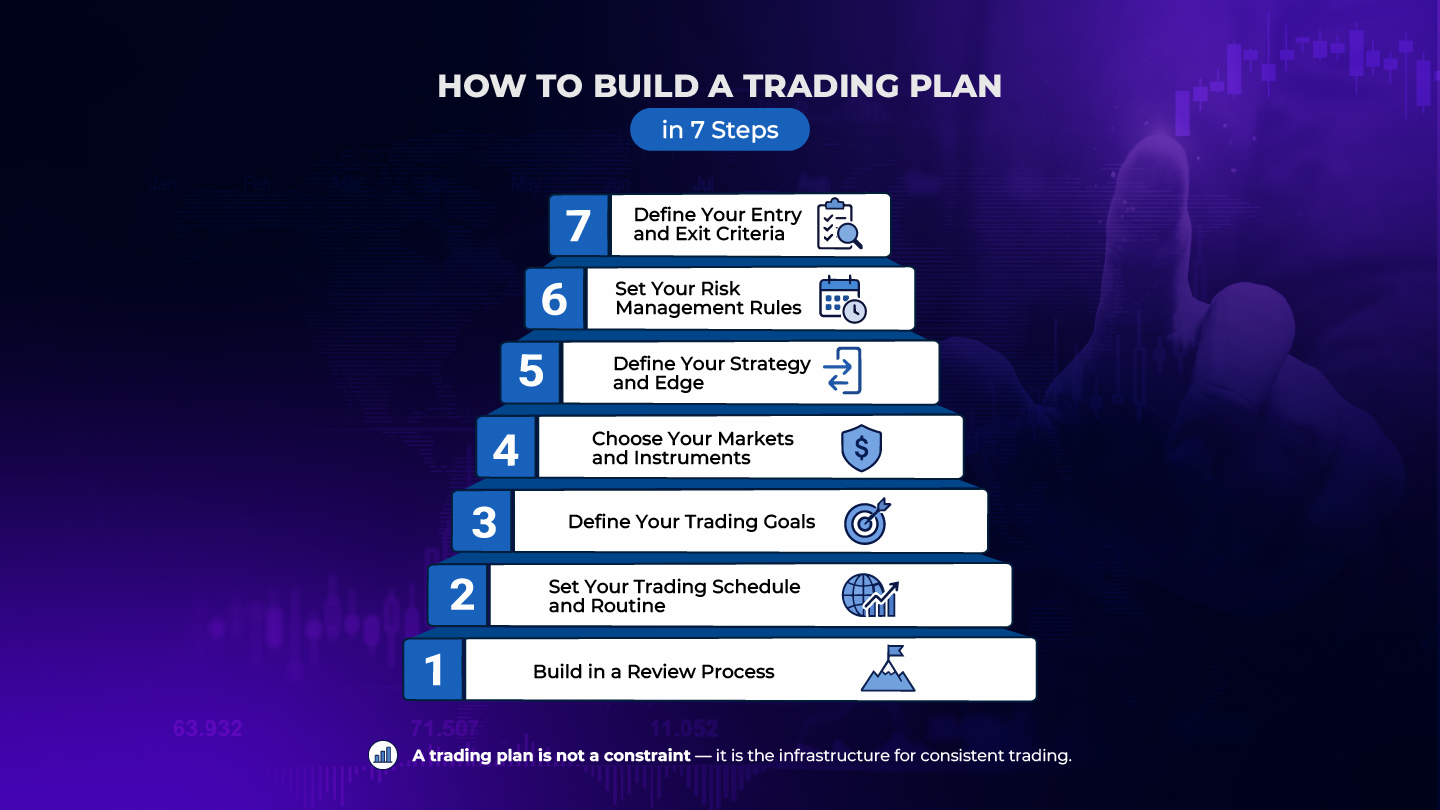
Structure removes emotion—and in prop trading, that’s critical to passing a challenge successfully. A clear trading plan helps you stay consistent, avoid impulsive decisions, and operate within the firm’s rules and requirements.
A structured routine is what allows successful traders to prove their skills under real pressure and perform consistently in live trading environments.
Here’s a Simple Daily Framework: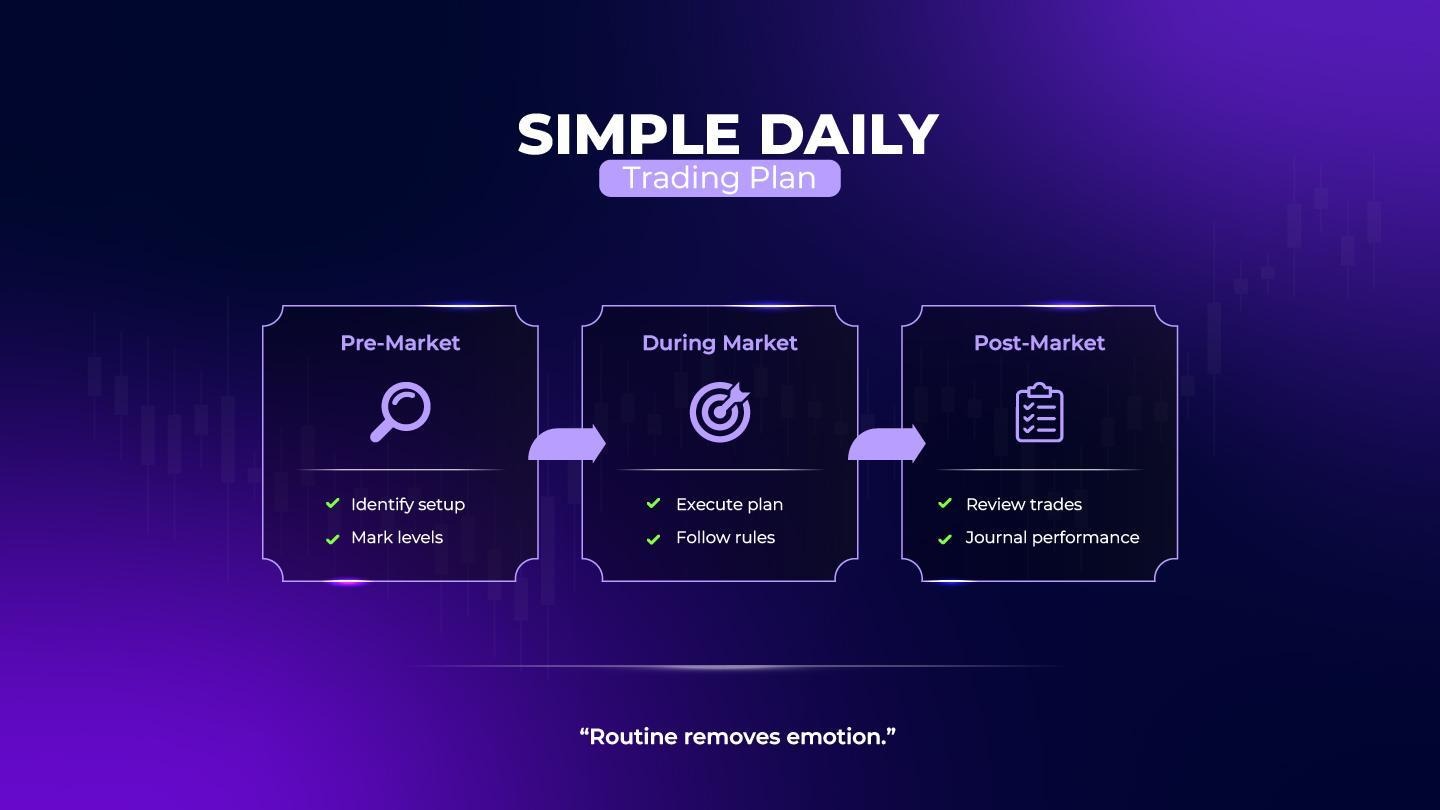
Pre-Market:
- Analyze current market conditions using technical analysis
- Identify a trend or range based on your chosen timeframe
- Mark key levels and potential areas for taking advantage of price
- Decide on your valid setup before the session begins
This preparation ensures you’re ready for real market conditions rather than reacting emotionally.
During Market:
- Wait patiently for your predefined setup
- Execute only if all criteria in your trading strategy are met
- Respect your stop-loss and risk parameters per trade
- Stay disciplined during active trading hours, especially in intraday or day trading sessions
Avoid forcing trades—this is where most traders who want to pass lose control.
Post-Market:
- Review your performance after the session or at the end of day
- Journal decisions and identify areas for improvement
- Evaluate whether you followed your trading plan
- Reflect on emotional discipline and execution quality
Key Insight:
A structured daily routine helps you stick to your plan, reduce emotional mistakes, and maintain disciplined risk management throughout the prop firm evaluation.
This consistency is what truly separates successful traders and defines your path to success as a funded trader.
Step 6: Control Your Drawdown Actively
Drawdown is one of the most critical factors in determining whether you will pass a prop firm challenge or face disqualification. It’s not something you react to emotionally—it’s something you manage proactively through disciplined risk management.
Many traders fail not because of one large loss, but because they ignore risk management protocols and allow small losses to compound into larger problems.
Practical Techniques:
- Reduce position sizes immediately after a losing trading day
- Pause and step away after consecutive losses
- Avoid trying to recover losses quickly, especially within the same session
- Reassess your trading strategy based on current market conditions
This approach helps you stay within acceptable risk levels and avoid breaching overall drawdown limits during a prop firm evaluation.
Key Insight:
Most traders fail not from one big loss, but from a series of emotional decisions after losses.
They:
- increase position size
- abandon their trading plan
- ignore risk management rules
- trade outside optimal market conditions
This behavior quickly leads to disqualification.
Professional Approach:
Strong prop traders focus on controlling their response after a loss—not just the outcome of a single trade.
They:
- reset and come back the next trading day with clarity
- maintain strict risk per trade
- focus on execution rather than recovery
Controlling drawdown is not just about protecting your account—it’s about protecting your mindset. And that is essential for long-term success in prop trading.
Step 7: Stop Trading After Two Losses
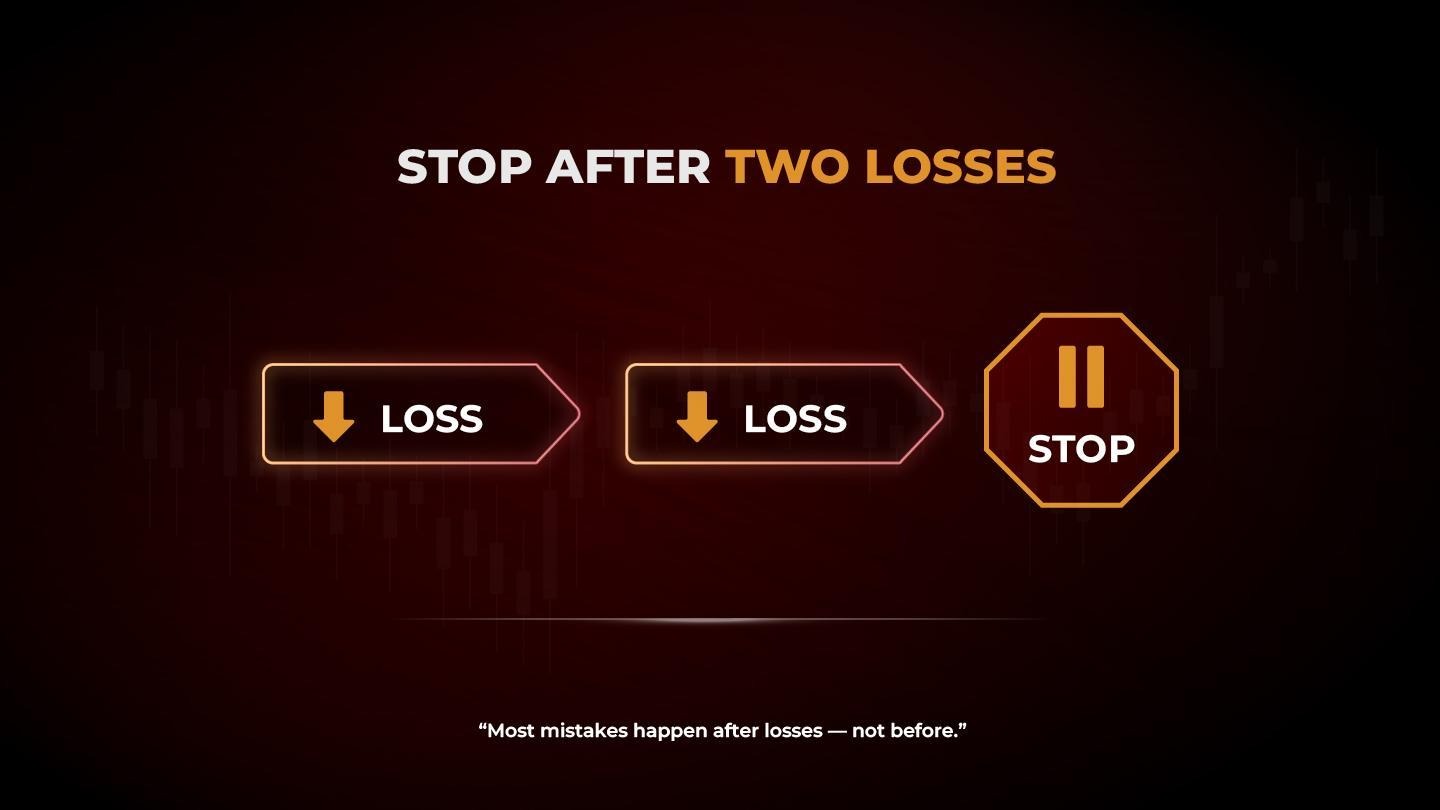
This single rule can dramatically increase your chances of passing a prop firm challenge and help you successfully pass a prop firm evaluation. It’s a simple but powerful habit that clearly separates traders from those who fail.
Rule:
👉 After two consecutive losses → step away and stop trading for the day.
This rule applies across every prop firm, regardless of the prop firm’s specific rules, and is one of the most effective ways to protect your prop firm account.
Why It Works:
- Prevents emotional decision-making and revenge trading
- Protects your mindset and helps you stay aligned with your trading plan
- Reduces the risk of breaching limits and facing disqualification
- Helps you preserve capital for the next trading day
A lot of traders ignore this rule and continue trading after losses, trying to recover quickly. This is one of the biggest reasons they fail within 30 days of starting a prop firm challenge.
Key Insight:
The worst decisions happen after losses—not before them.
Professional prop traders understand that consistency comes from control, not reaction. They:
- stop early
- reset mentally
- return the next trading day with a clear plan
If your goal is to successfully pass a prop firm, you must aim for steady progress, not fast recovery.
Sometimes, the best trade you can make… is no trade at all.
Step 8: Avoid High-Volatility Traps
Certain market conditions can unpredictably increase risk and make it much harder to pass prop firm challenges. These environments often lead to poor execution—even for experienced traders.
High-risk conditions include:
- major economic news releases
- low liquidity sessions
- sudden volatility spikes
These situations can distort price action, making it difficult to apply technical analysis or execute your trading strategy effectively.
Strategy:
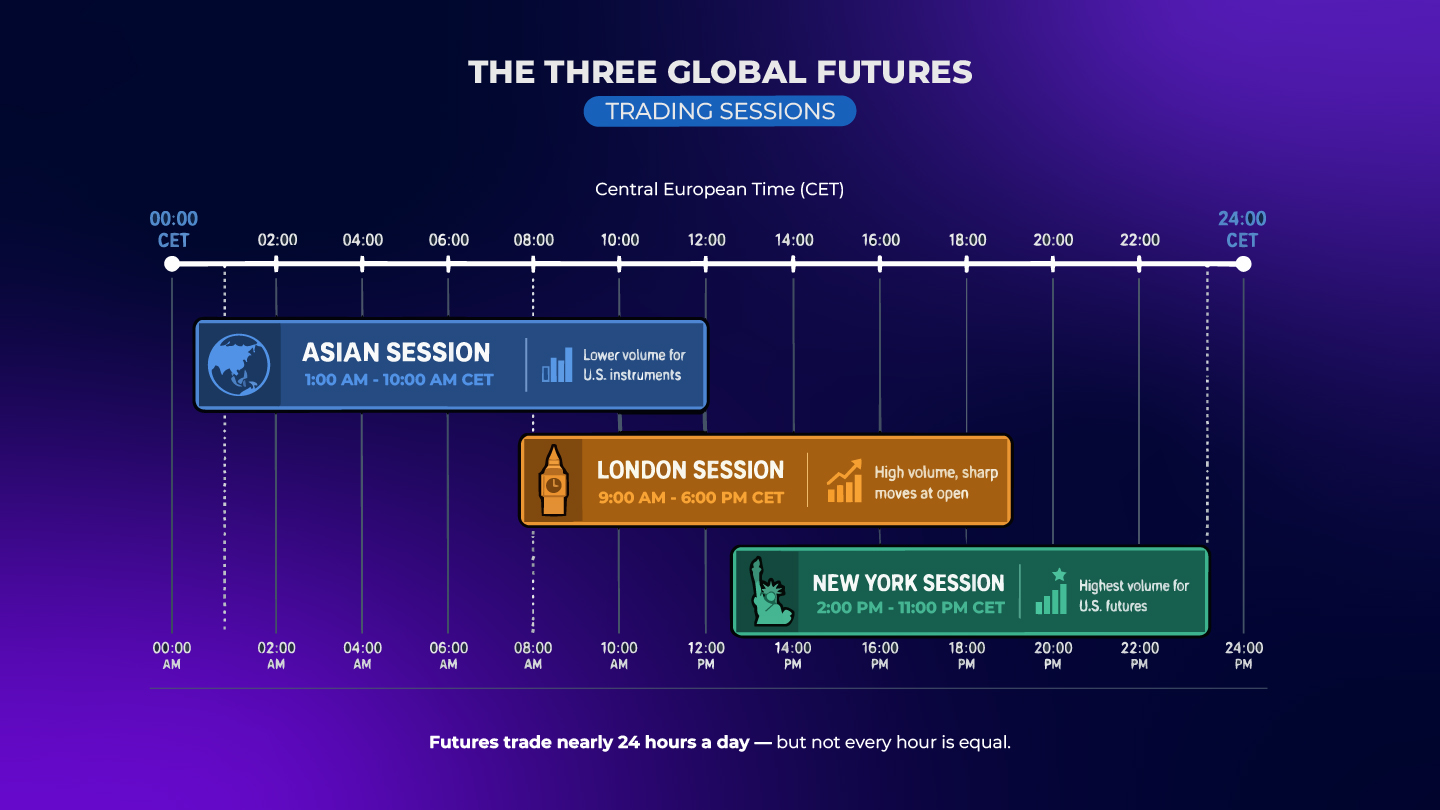
- Trade during stable and liquid trading hours
- Avoid entering trades during major announcements
- Focus on clean, structured setup opportunities
- Align your trades with current market conditions, not noise
This approach is especially important if you are trading forex pairs, where volatility during news events can be extreme.
Key Insight:
Successful prop trading is about operating in controlled environments—not reacting to chaos.
Professional traders focus on:
- taking advantage of the price in stable conditions
- avoiding unpredictable moves that violate their trading plan
- staying consistent within real, structured setups
If you want to improve your chances of getting a payout, avoid unnecessary exposure and wait for the right conditions in 2025.
In prop trading, patience during unstable markets is what protects your capital and supports long-term success.
Step 9: Think in Terms of “Consistency Blocks”
Instead of focusing on the entire prop firm challenge, break it into smaller, manageable segments. This is a key mental shift that helps many traders stay consistent and avoid unnecessary pressure.
A practical way to approach this is by thinking in structured phases—similar to how you approached step 1 (risk-first mindset) and step 2 (fixed risk per trade). Each phase builds on the previous one, creating a stable foundation for execution.
Example:
- Focus on 2–3 consistent days at a time
- Build gradual progress instead of forcing results
- Avoid obsessing over the outcome or rushing to get funded
This approach allows you to stay aligned with your trading plan and execute based on your trading strategy, rather than reacting emotionally to short-term results.
Key Insight:
Breaking the challenge into smaller “consistency blocks” helps you:
- stay focused on execution
- adapt to changing market conditions
- reduce emotional pressure
- maintain discipline throughout the process
Professional Perspective:
In both prop trading and markets like forex or crypto, consistency over time is what drives results—not isolated wins.
The traders who succeed are those who:
- focus on steady execution
- remain patient
- build progress step by step
By thinking in smaller segments, you shift your mindset from pressure to process—making it far easier to stay disciplined and complete the challenge successfully.
Step 10: Accept Slow Progress
One of the biggest mistakes traders make is rushing.
Truth:
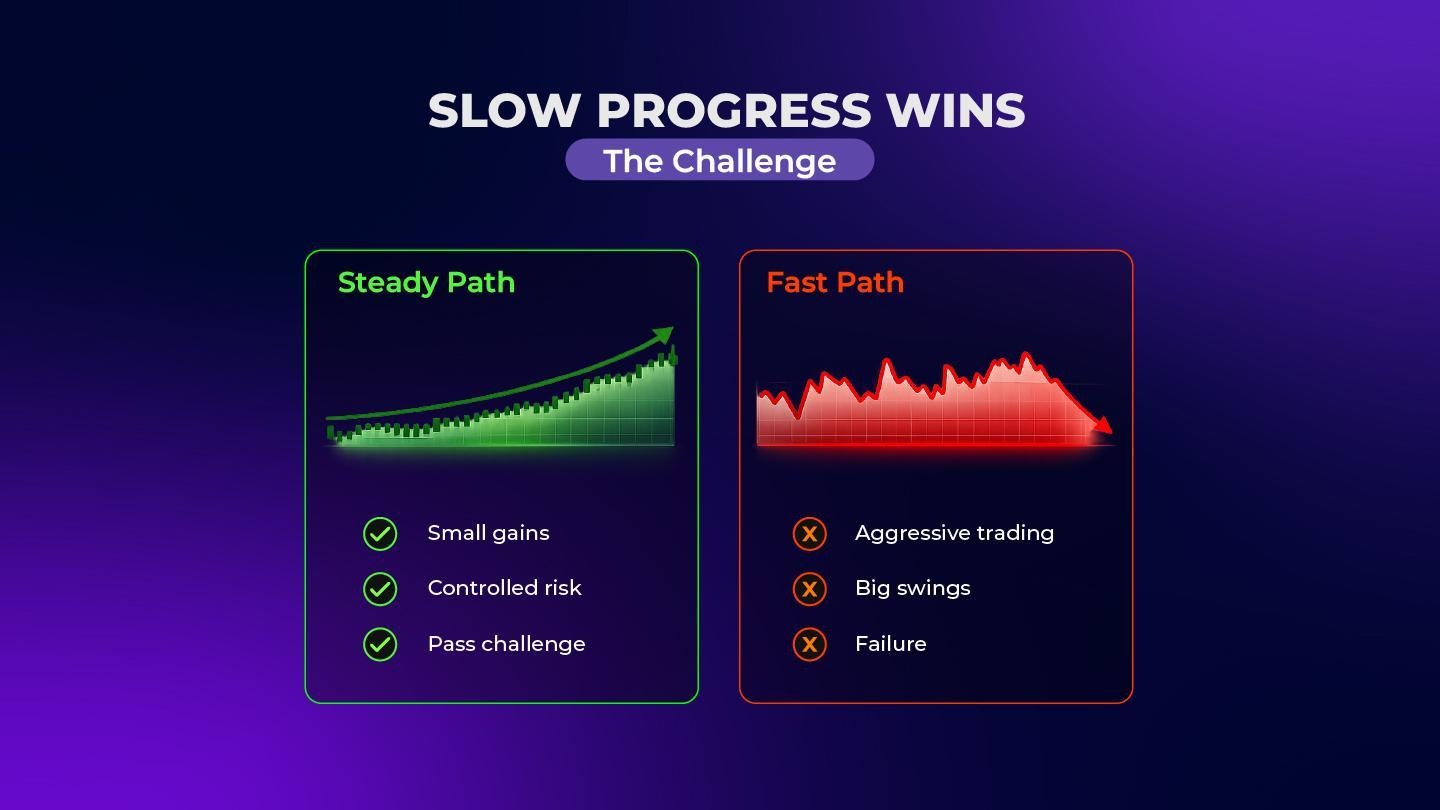
You can pass faster by going slower.
Aggressive trading leads to:
- mistakes
- emotional decisions
- inconsistency
Steady progress leads to:
- stability
- confidence
- controlled growth
Consistency compounds — aggression collapses.
Common Mistakes That Prevent Traders From Passing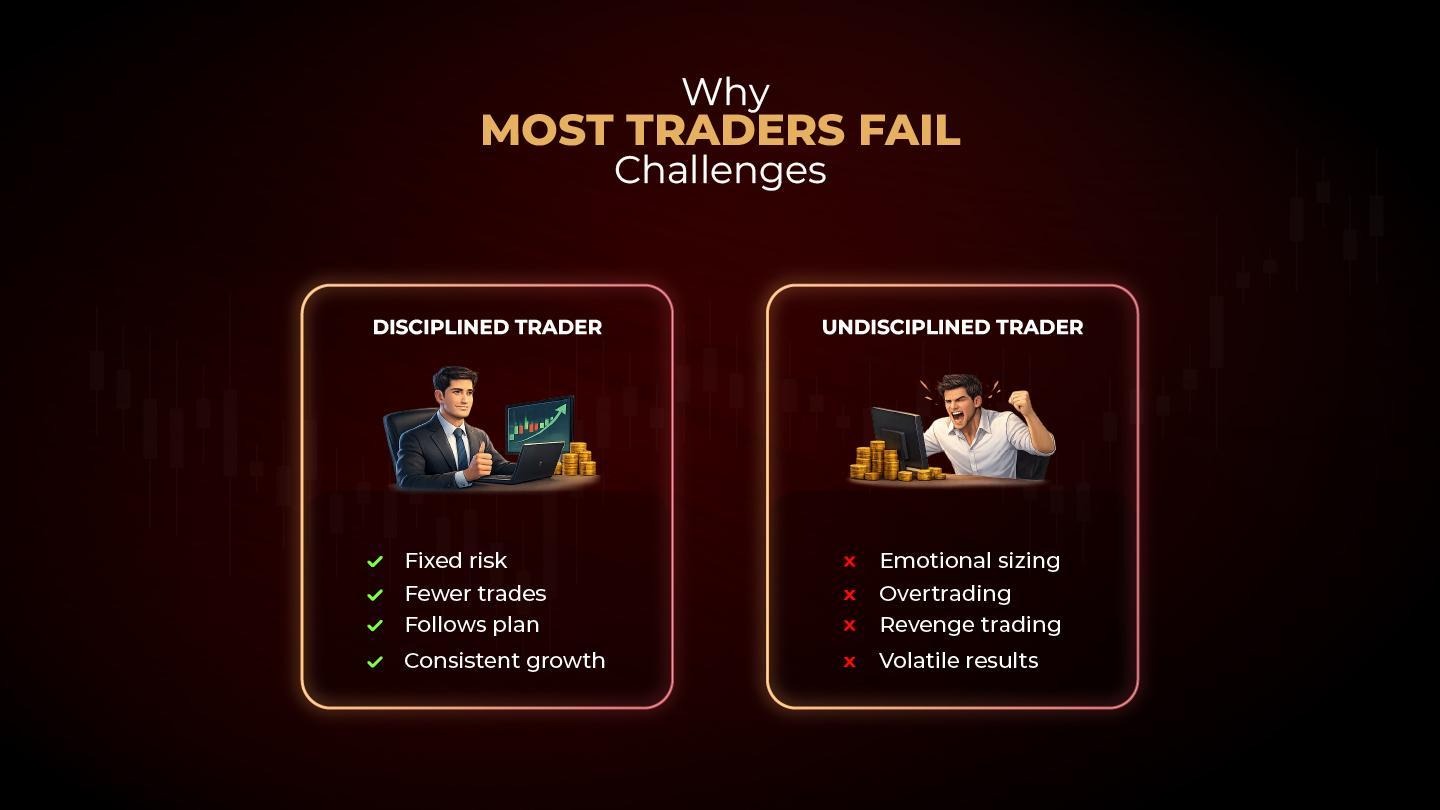
1. Increasing Position Size Too Early
Traders try to accelerate results and lose control.
2. Trading Without Clear Setups
Entering trades based on “feel” instead of rules.
3. Overtrading After Losses
Trying to recover quickly leads to deeper losses.
4. Switching Strategies Mid-Challenge
Lack of trust in one system creates inconsistency.
5. Ignoring Emotional Signals
Frustration, fear, and overconfidence all impact decision-making.
Psychological Discipline: The Real Edge
Understanding how to pass a prop firm challenge is largely psychological.
Key Mental Rules:
- Don’t chase trades
- Don’t fear missing out
- Don’t react emotionally to losses
- Don’t become overconfident after wins
The market is not your opponent.
Your reactions are.
A Simple Weekly Execution Framework
Monday:
- Trade light, observe conditions
Tuesday–Wednesday:
- Execute full strategy
Thursday:
- Reduce risk if needed
Friday:
- Trade conservatively
This structure balances opportunity with risk control.
Position Sizing Example
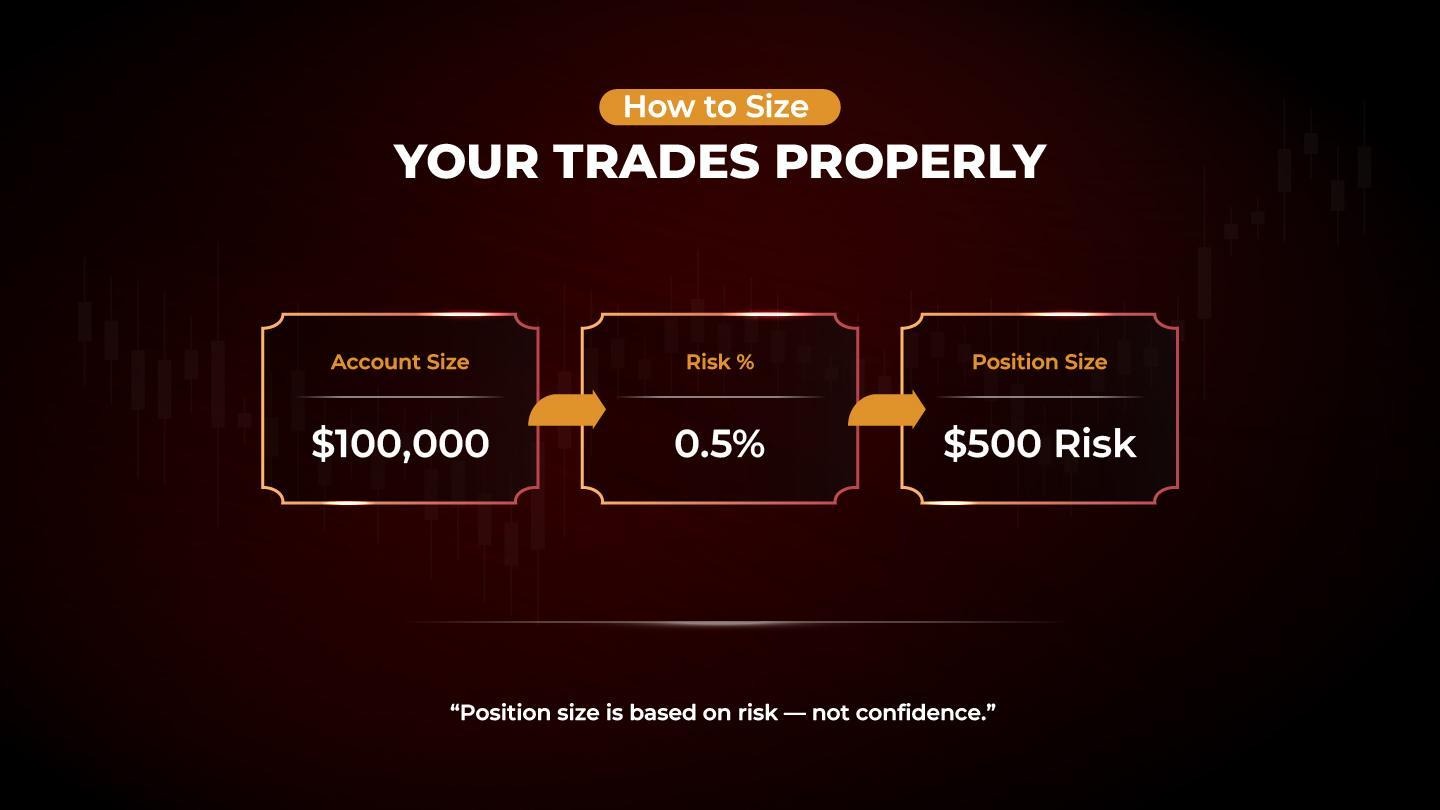
Let’s say:
- Account size: $100,000
- Risk per trade: 0.5%
That means:
- Max risk per trade = $500
Position size should always align with:
- stop distance
- market volatility
- risk percentage
Never size based on confidence.
The “Stay Funded” Mindset
Passing the challenge is step one. Staying funded is the real goal.
So trade like you are already funded.
That means:
- no gambling
- no oversized positions
- no emotional trading
- no shortcuts
Professional behavior leads to long-term success.
Frequently Asked Questions (FAQs)
How long does it take to pass a prop firm challenge?
It depends on your approach. Traders who focus on consistency often pass steadily rather than quickly.
Should I trade every day during a challenge?
No. Trade only when your setup is present. Skipping low-quality days is a strength.
What is the biggest reason traders fail?
Lack of discipline — not strategy.
Can I pass a challenge with small daily gains?
Yes. Small, consistent gains are one of the safest ways to pass.
Is aggressive trading a good strategy to pass faster?
No. It may work occasionally, but it rarely leads to sustainable success.
Final Thoughts
Learning how to pass a prop firm challenge is about shifting your mindset.
It’s not about:
- making the most money
- trading the most setups
- taking the biggest risks
It’s about:
- controlling risk
- executing consistently
- staying disciplined
- avoiding emotional mistakes
The traders who pass are not the smartest.
They are the most controlled.
Trade small.
Trade consistently.
Follow your plan.
And most importantly —
trade like you’re already funded.
Put these strategies into action — start your Futures or CFD prop firm challenge with 4PropTrader and trade under clear, transparent rules designed for serious traders.